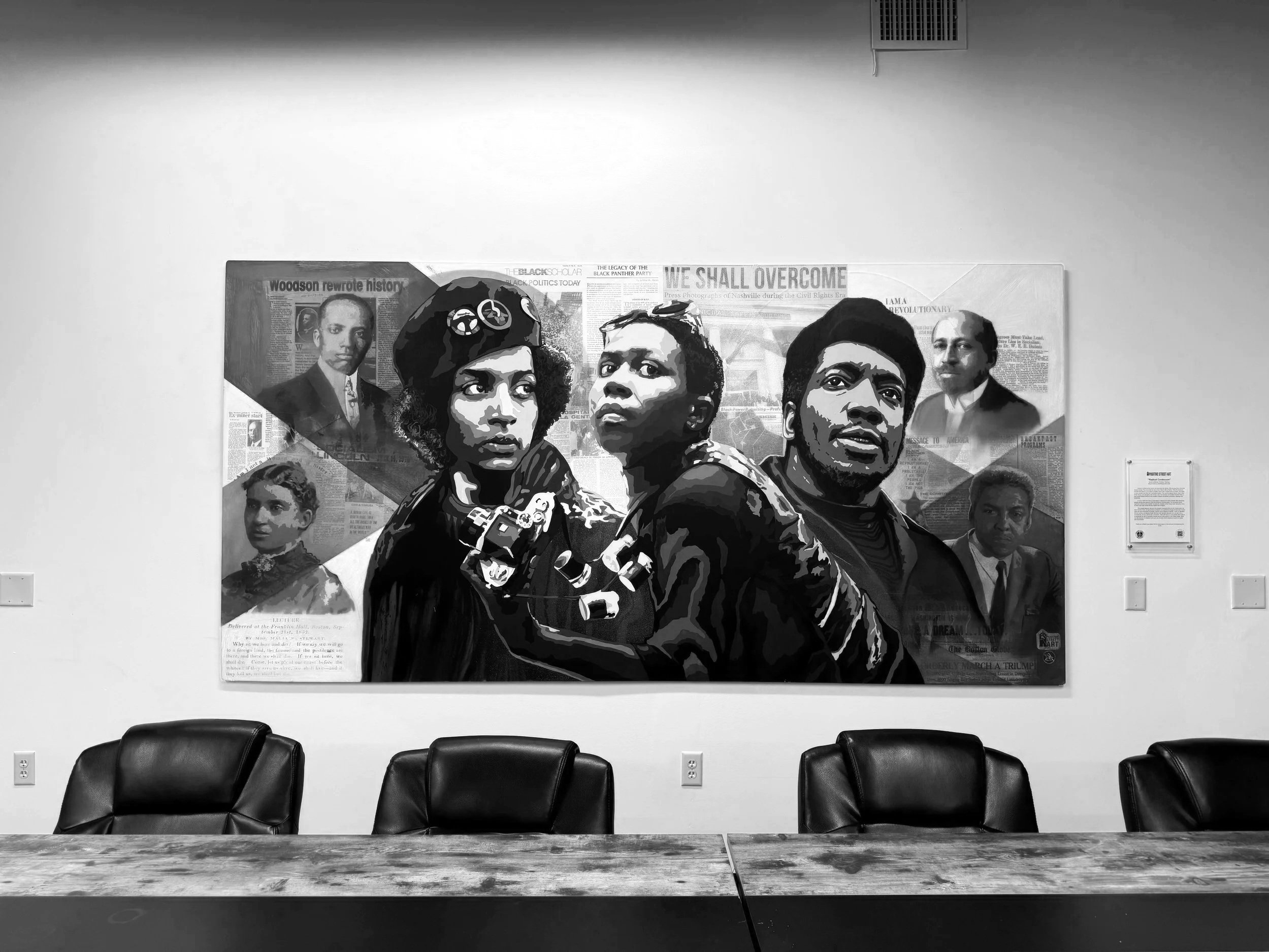
Radical Continuum
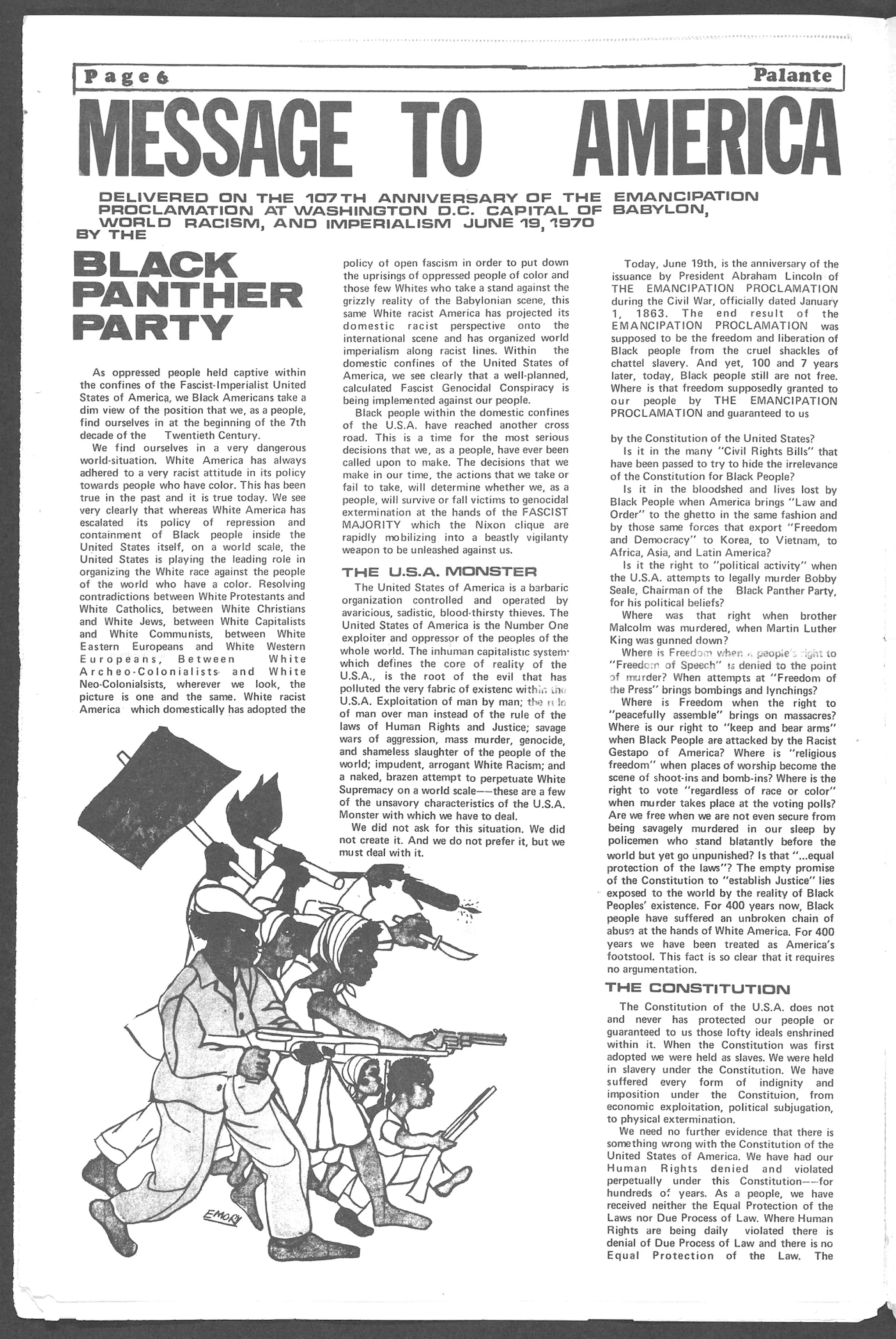
History is written by the victors, who are rarely the heroes, often burying those who truly shaped change. This mural tells the story of the Patient’s Bill of Rights. While the American Hospital Association’s Committee on Health Care is often credited with its creation, the reality is more complex and filled with overlooked leaders. This painting depicts Denise Oliver Velez of the Young Lords alongside Afeni Shakur and Fred Hampton of the Black Panther Party. It also honors leaders central to the evolution of Black scholarship, philosophy, ideology, and leadership.
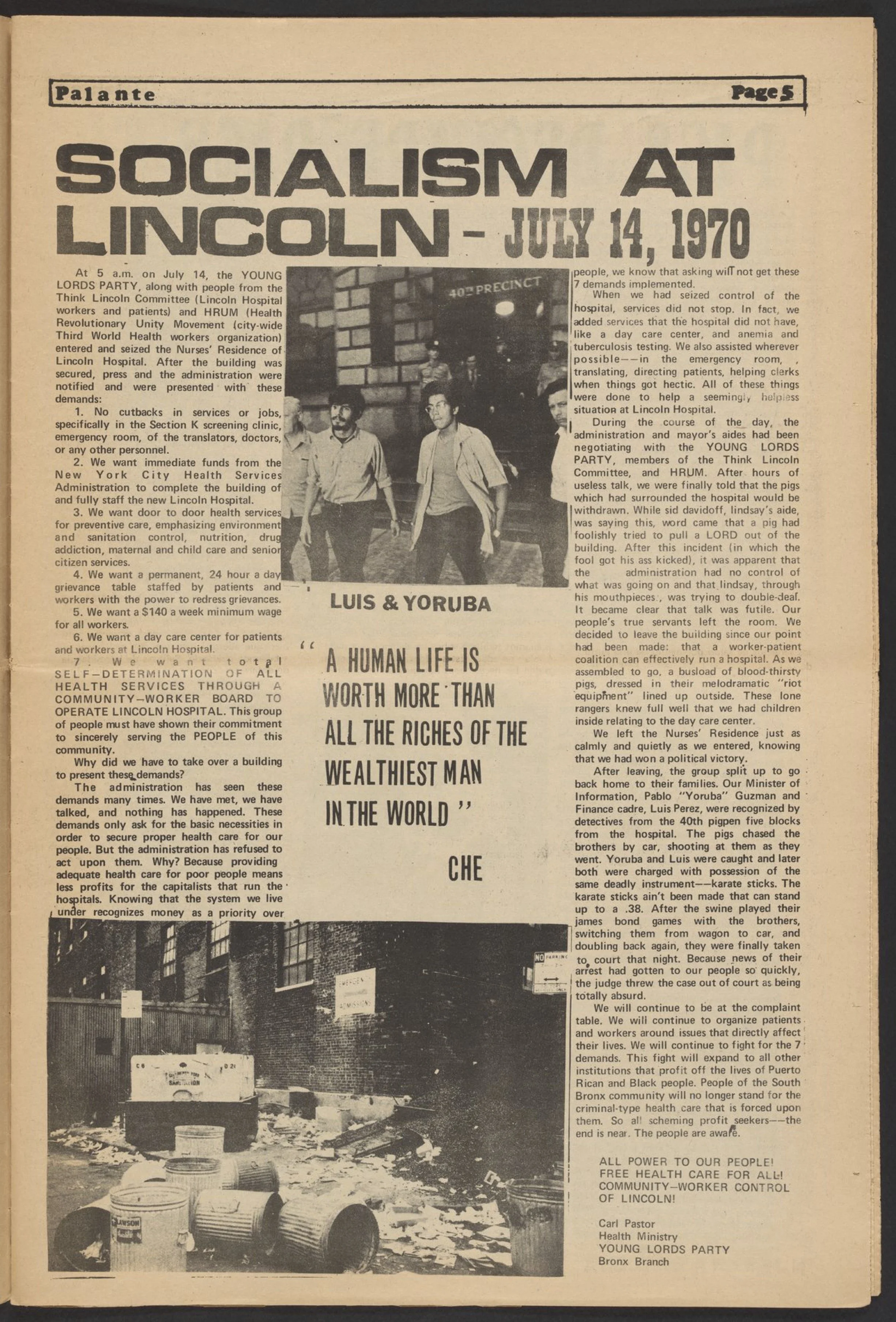
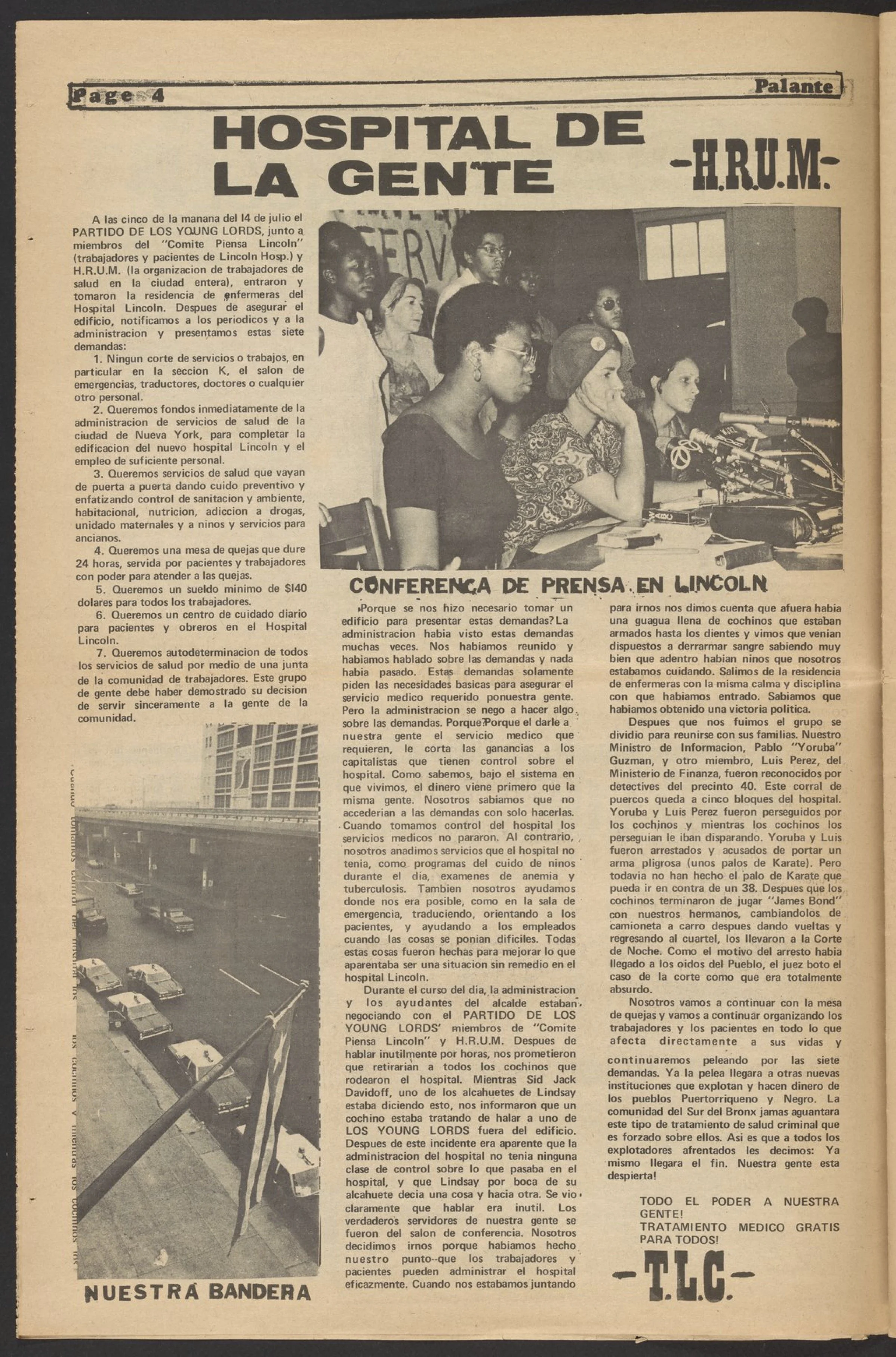
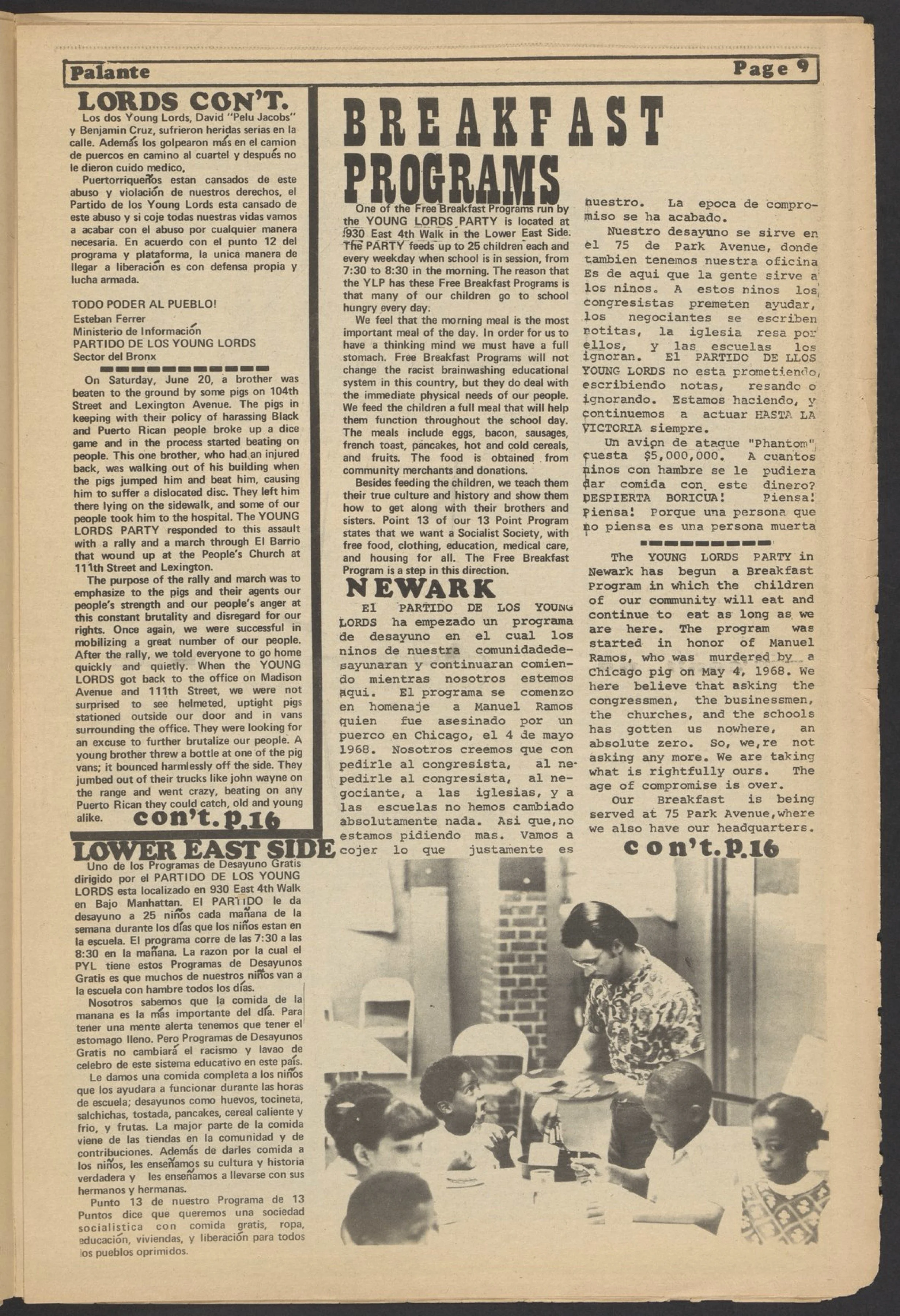
In July of 1970, the Young Lords staged a takeover of Lincoln Hospital after witnessing patients denied care based on race and perceived financial status. The occupation led to significant reforms at the hospital, including the adoption of the Young Lords’ demands, many of which were later written into the Patient’s Bill of Rights.
The hospital takeover was part of a broader movement driven by the Young Lords, the Black Panther Party, and generations of leaders who pushed the struggle forward and created space for new movements to emerge. Figures such as Maria W. Stewart, Carter G. Woodson, W.E.B. Du Bois, and Bayard Rustin affirmed what Hampton declared: you can jail or kill a revolutionary, but you cannot stop a revolution. That truth lives on in the policies that continue to guarantee the right to equitable medical care for every person in the United States. What we call progress is a Radical Continuum, an unbroken line of resistance toward civil rights and true freedom.
Afeni Shakur, and the patients bill of rights
The cause was a lack of medical care.
The action was the takeover of Lincoln Hospital in the Bronx, New York.
The outcome was a Patient’s Bill of Rights demanding equity for all across the country.
In the video to the right, learn how the mother of a hip-hop legend helped shape the creation of the Patient’s Bill of Rights. Afeni Shakur was far more than the mother of an icon. She was a revolutionary.
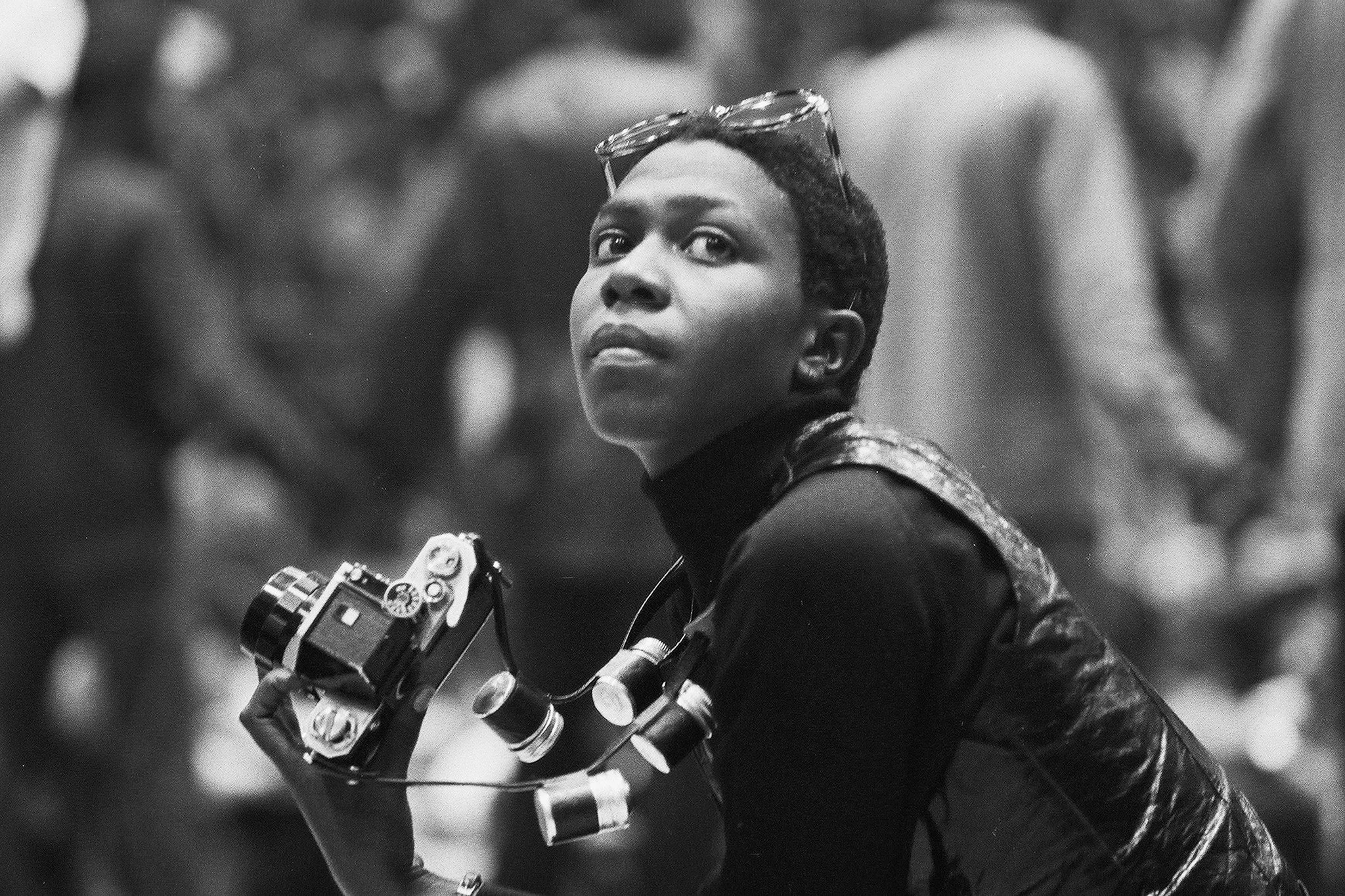
Afeni Shakur's Impact on The Patient Bill of Rights
The Young Lords, Socialism at Lincoln 1970
Denise Oliver Velez and the Young Lords took on the urgent task of securing care for patients routinely turned away because of their race or perceived financial status. With no other options left, they forced accountability at Lincoln Hospital by staging a takeover and demanding that all patients in need receive care. The New York Times documentary to the right explores the mission of the Young Lords in depth.
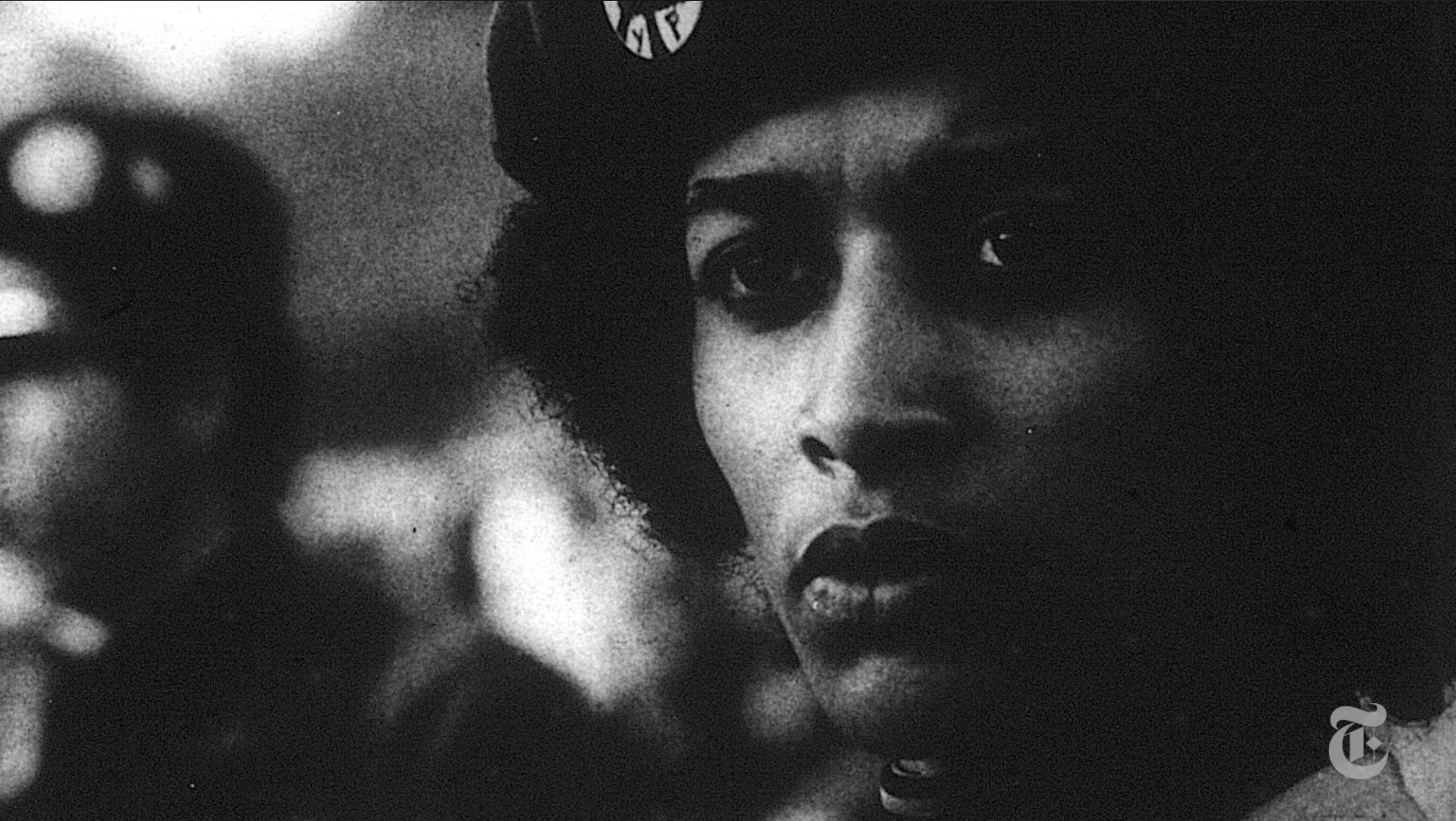
How We Occupied a Hospital and Changed Public Health Care
Fred Hampton, The Resolute Chairman
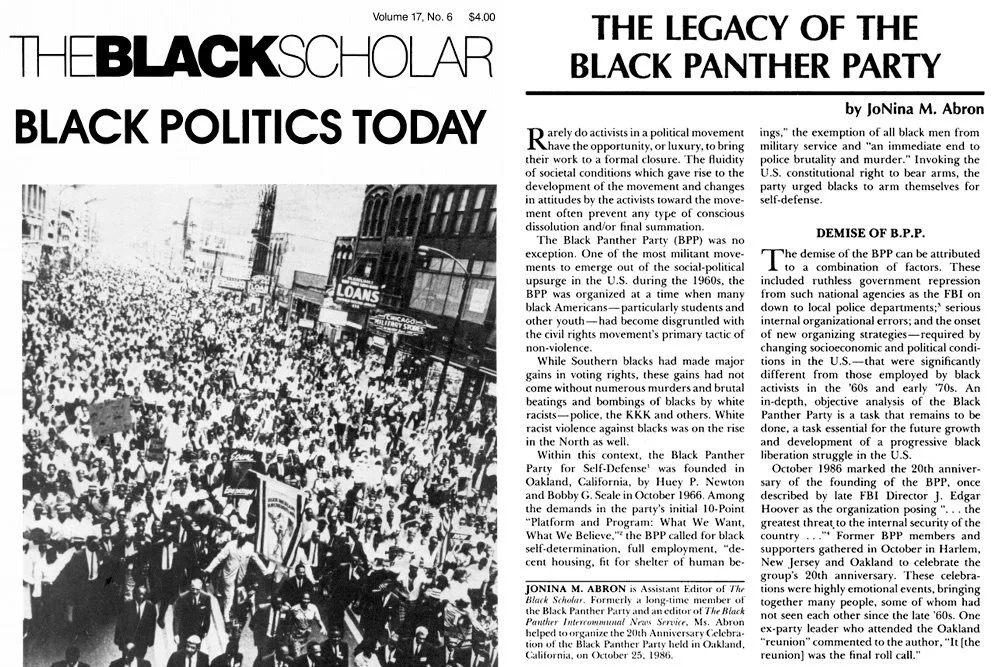
A pivotal figure in the revolutionary chessboard was Fred Hampton, the resolute chairman of the Black Panther Party. Before his untimely death at the hands of the Chicago Police Department, Hampton and the Panthers fed children, escorted them safely to school, and educated communities on self-defense, the rule of law and leadership. Most of all, they inspired a generation. Under Hampton’s influence and the Panthers’ guidance, the Young Lords evolved from a street gang into an organized movement, modeled in both structure and purpose after the Black Panther Party.
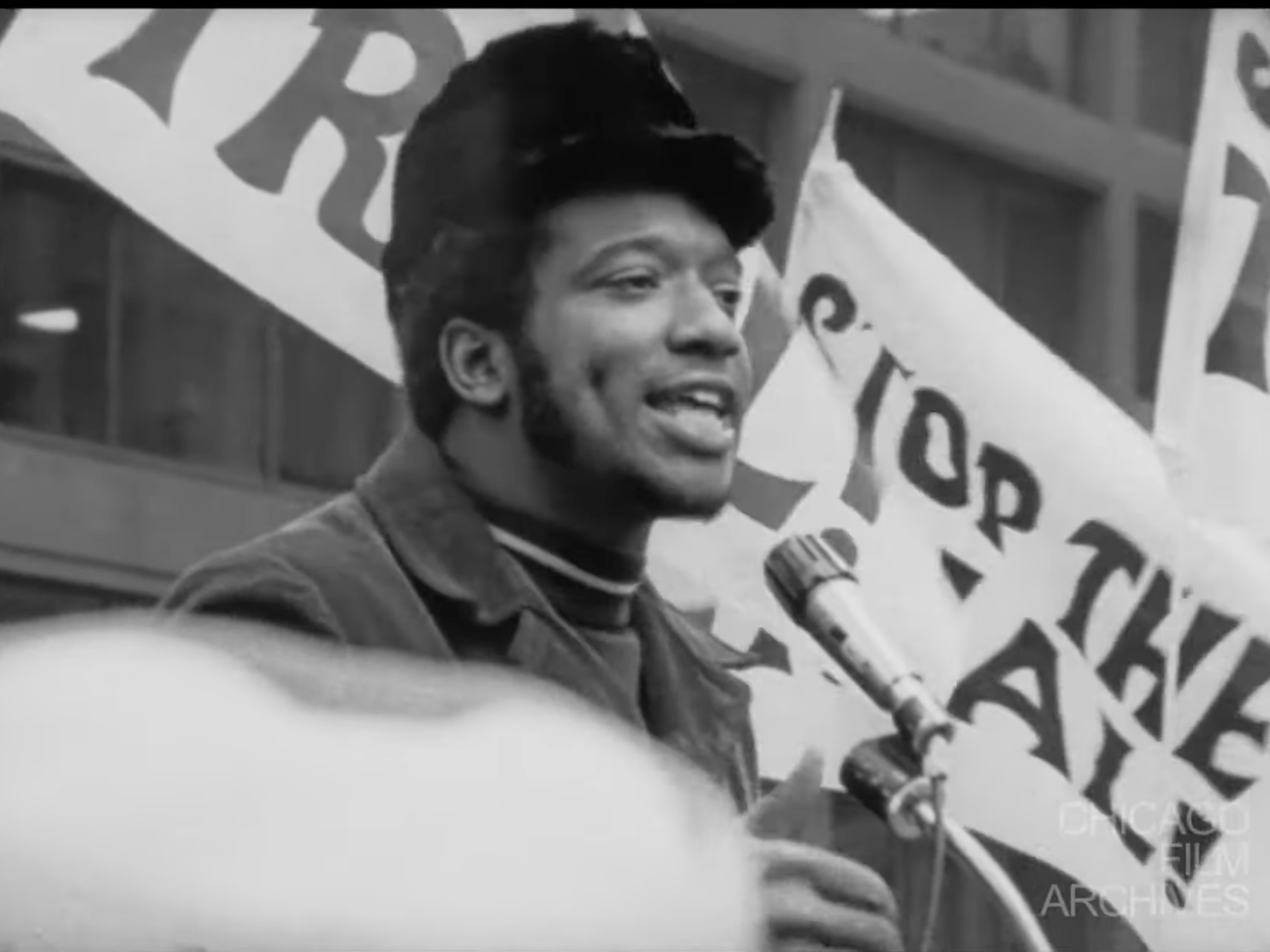
Chairman Fred Hampton Speech Collection
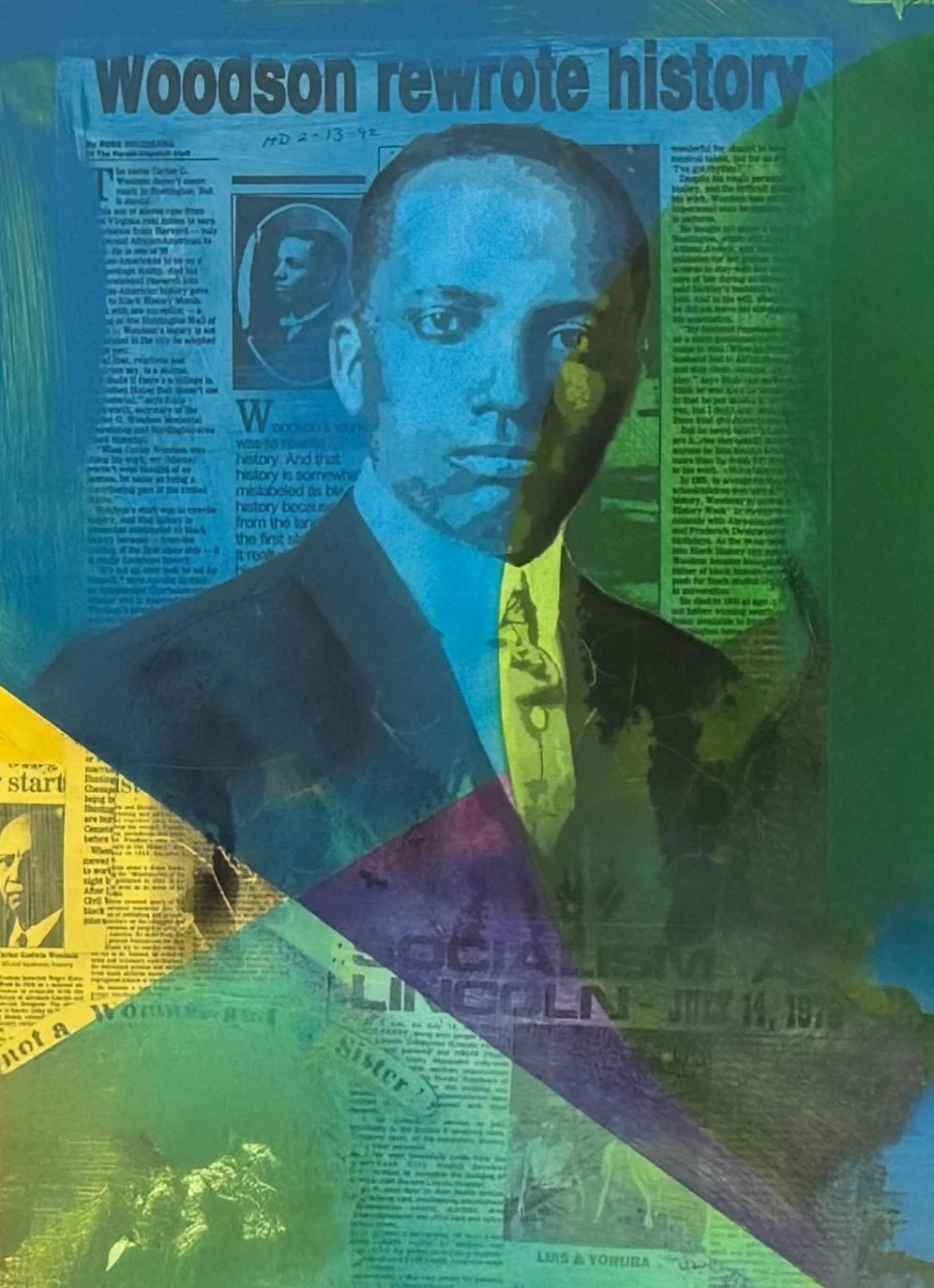
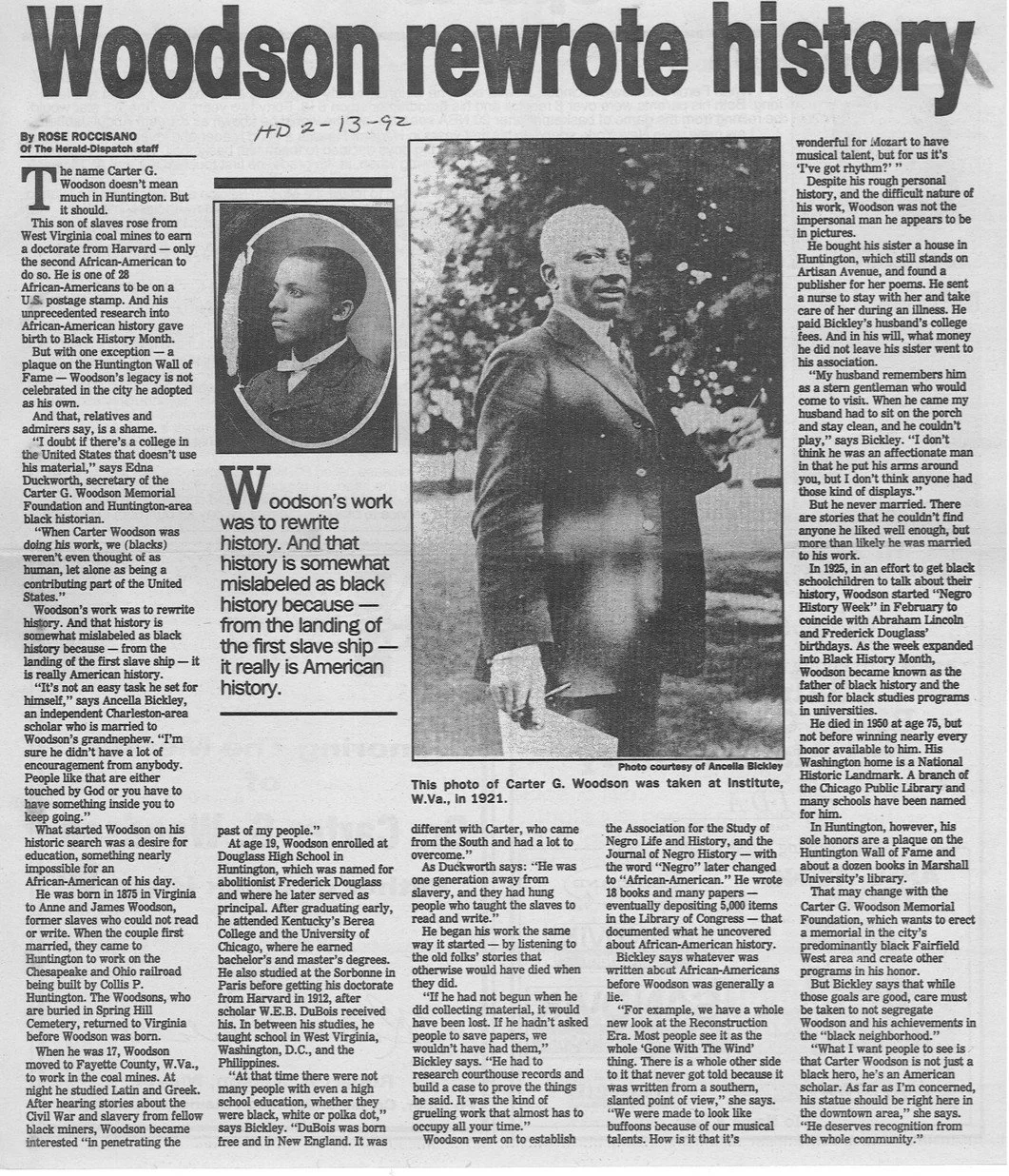
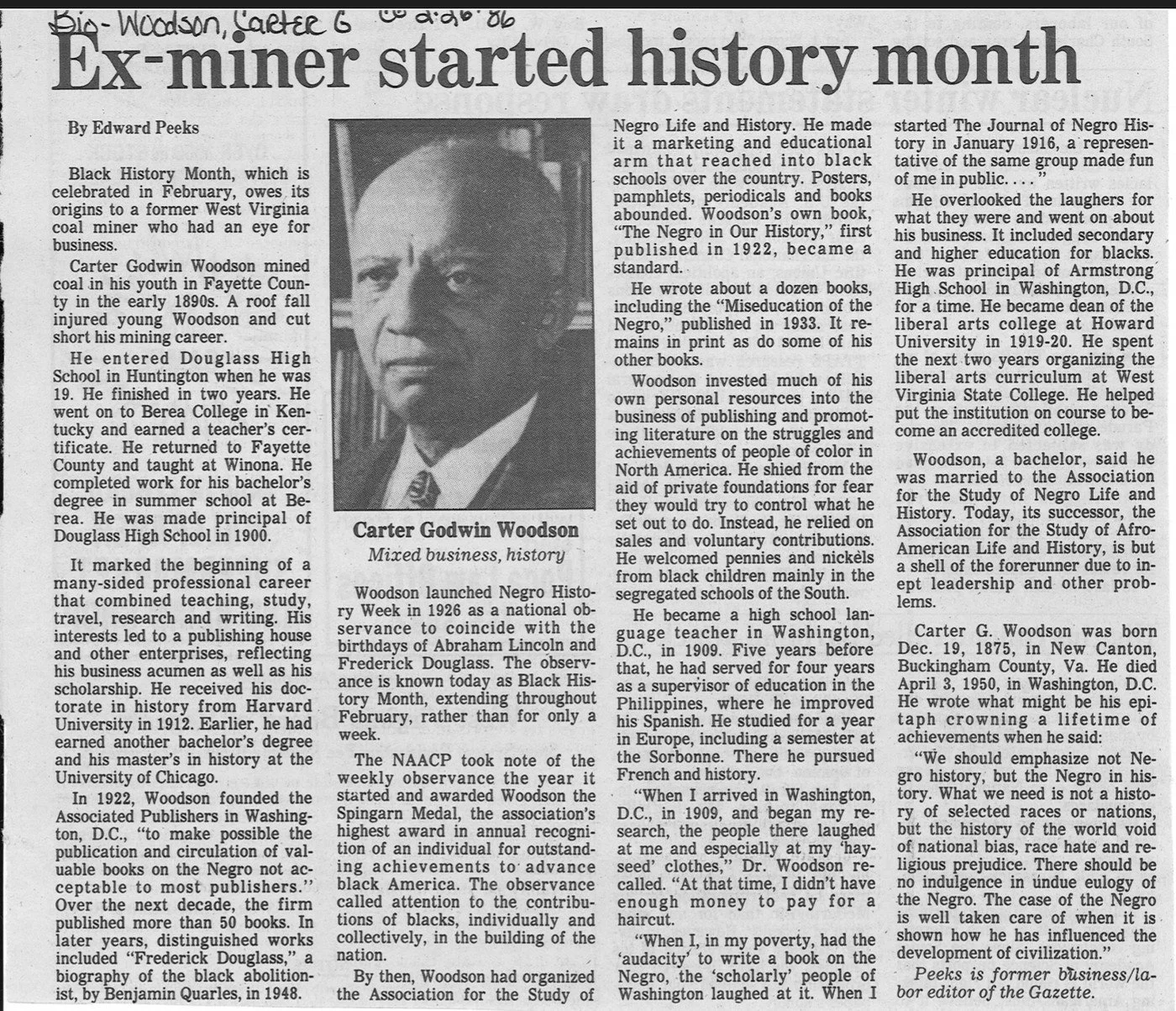
Carter G. Woodson
Woodson, the “Father of Black History,” argued that controlling historical narrative was essential to freedom. In The Mis-Education of the Negro, he warned that a people taught to despise their past would accept their oppression. Woodson’s philosophy and ideology is still instrumental in modern civil rights movements, including the black panther party and the young lords.
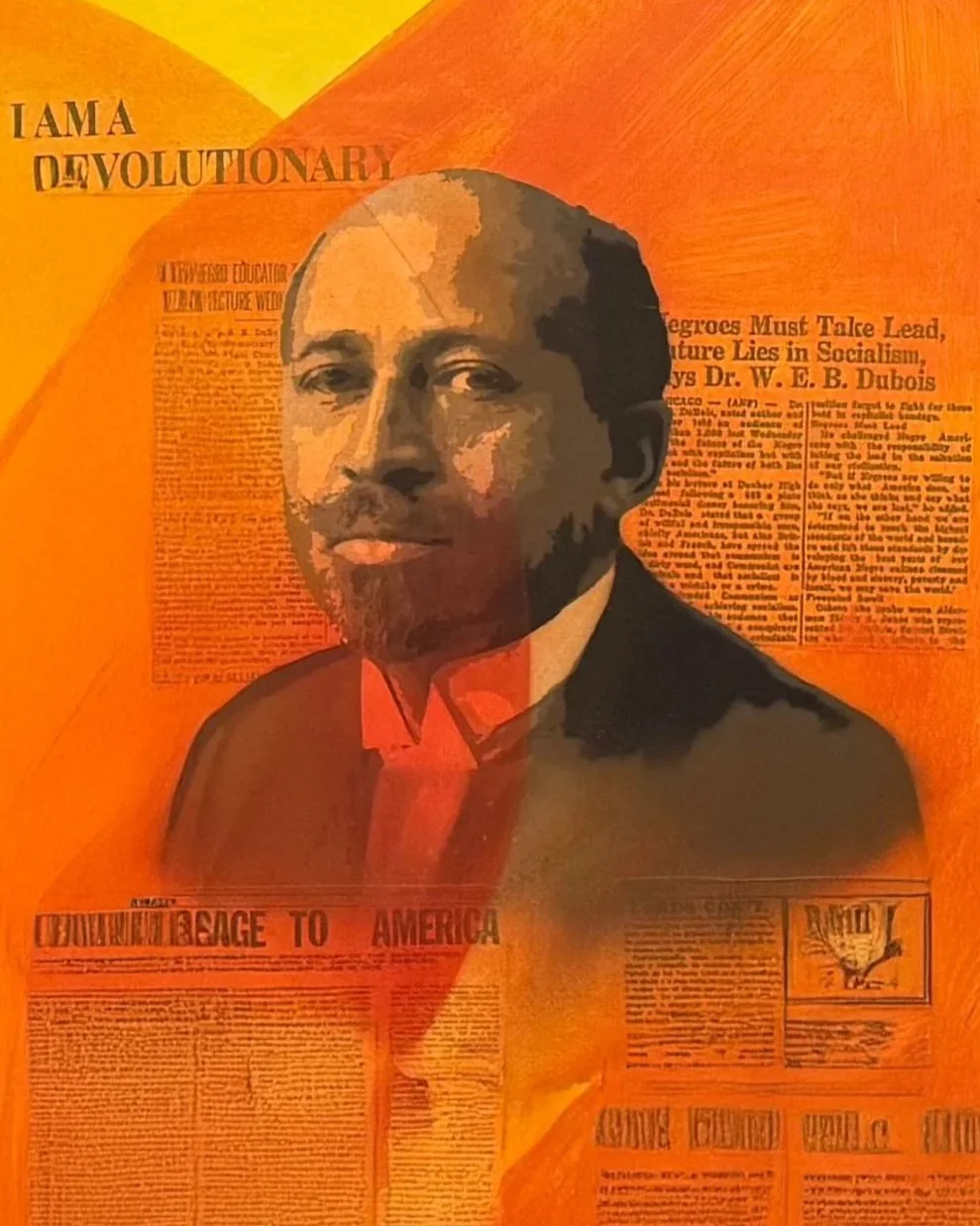
W.E.B. Dubois
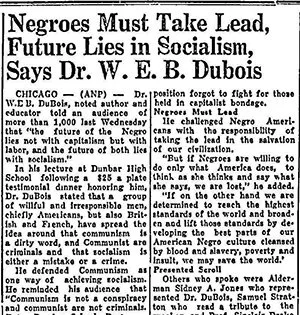
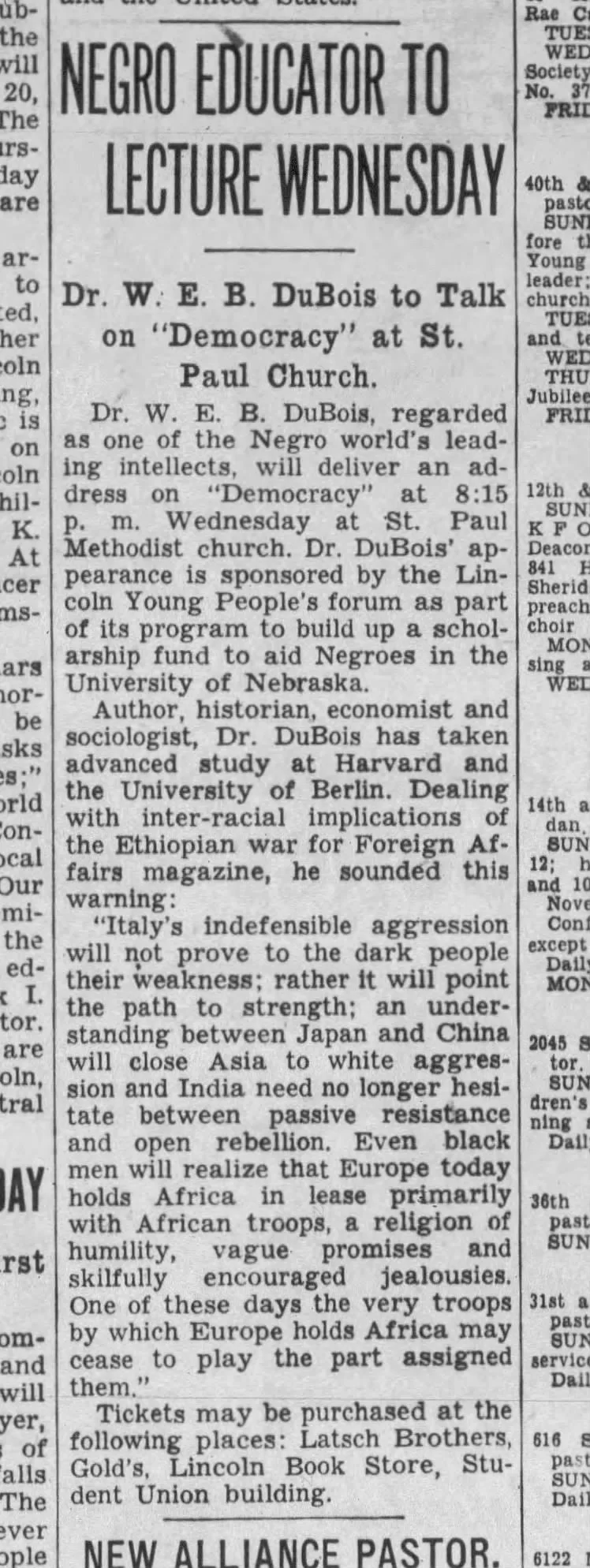
W.E.B. Du Bois was a pioneering scholar, activist, and visionary who insisted that the study of history and society was inseparable from the struggle for justice. Through works like The Souls of Black Folk, he exposed the psychological and structural realities of racism, introducing concepts such as double consciousness to describe the lived experience of Black Americans. Du Bois believed that education, political awareness, and collective action were essential tools for liberation, and his ideas continue to shape conversations about race, power, and democracy today.
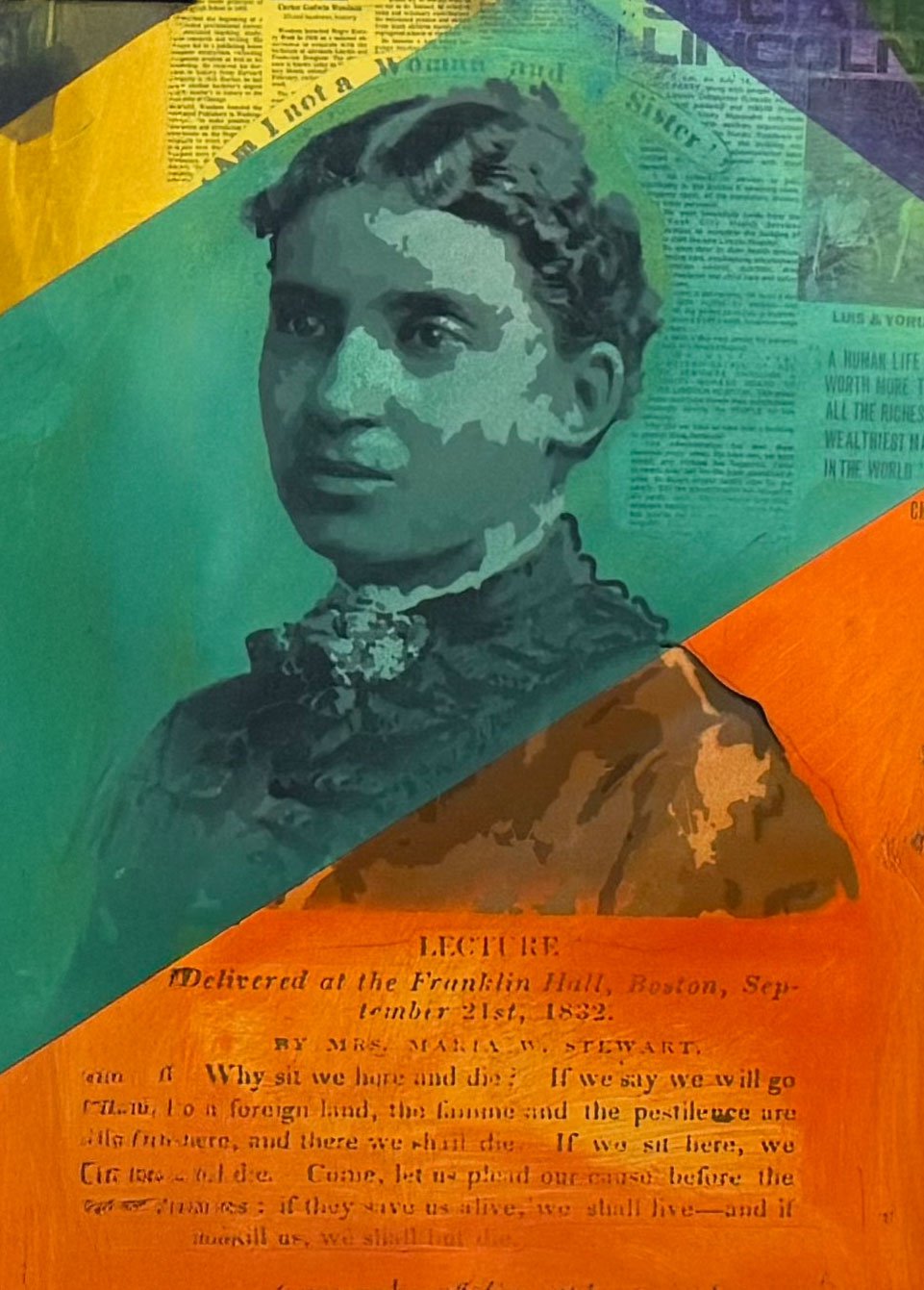
Maria W. Stewart
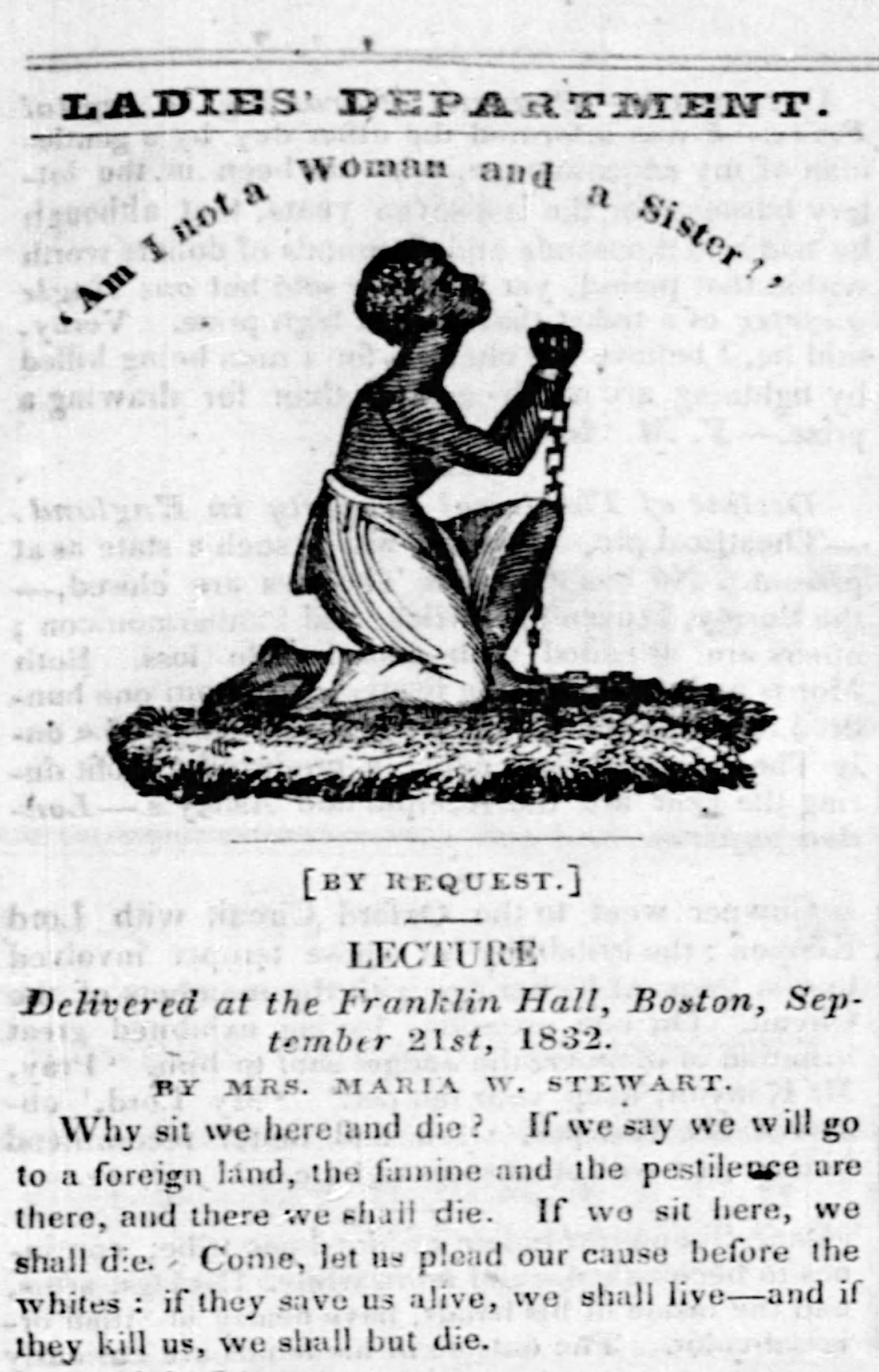
Maria W. Stewart was a pioneering Black activist and orator who, in the early 1800s, demanded justice, equality, and dignity for African Americans. She championed education, self-knowledge, and the political voice of Black communities, boldly speaking out when few would listen. Her fearless advocacy and insistence on agency for Black women laid the moral groundwork for generations of activists to follow.
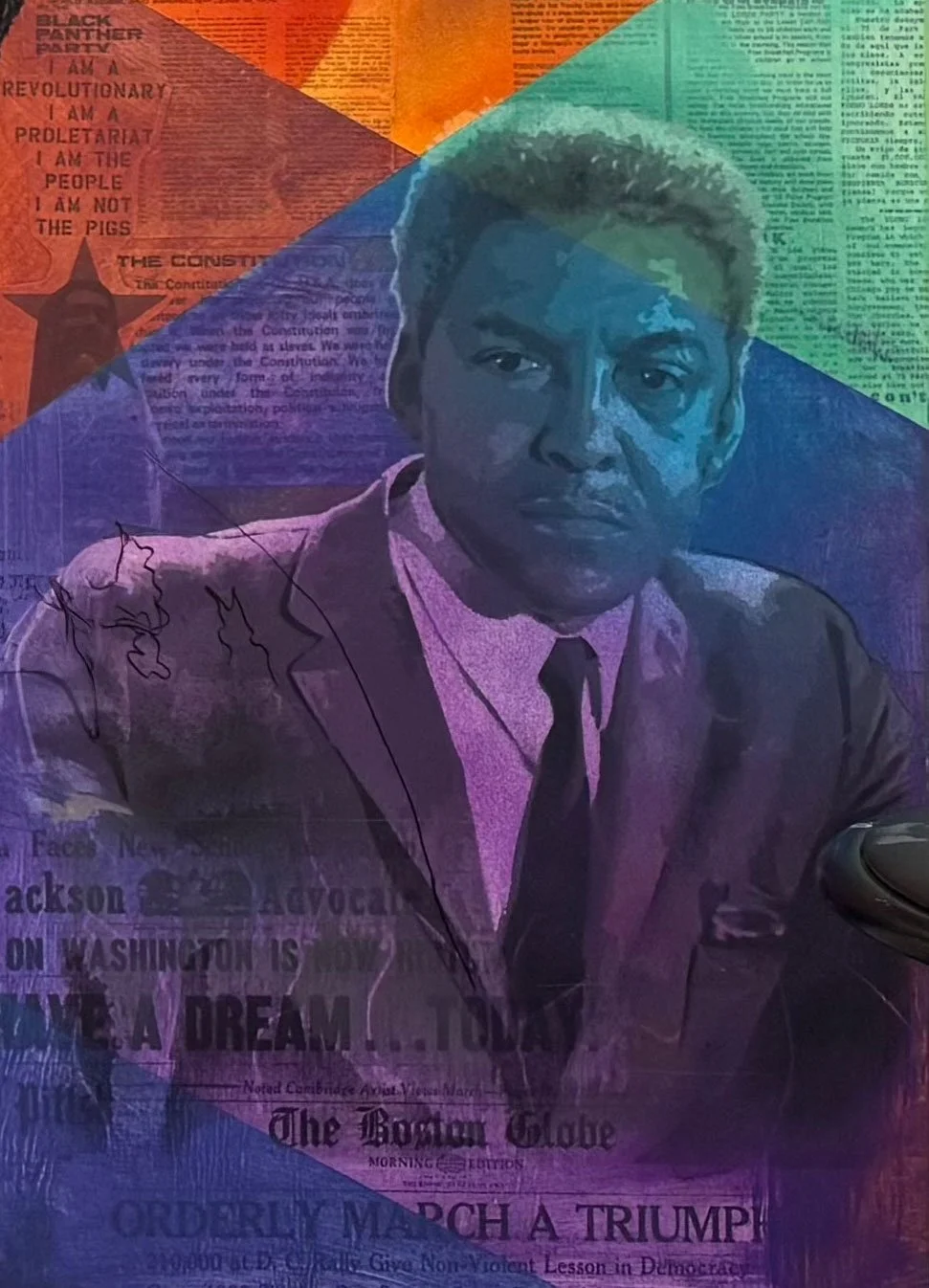
Bayard Rustin
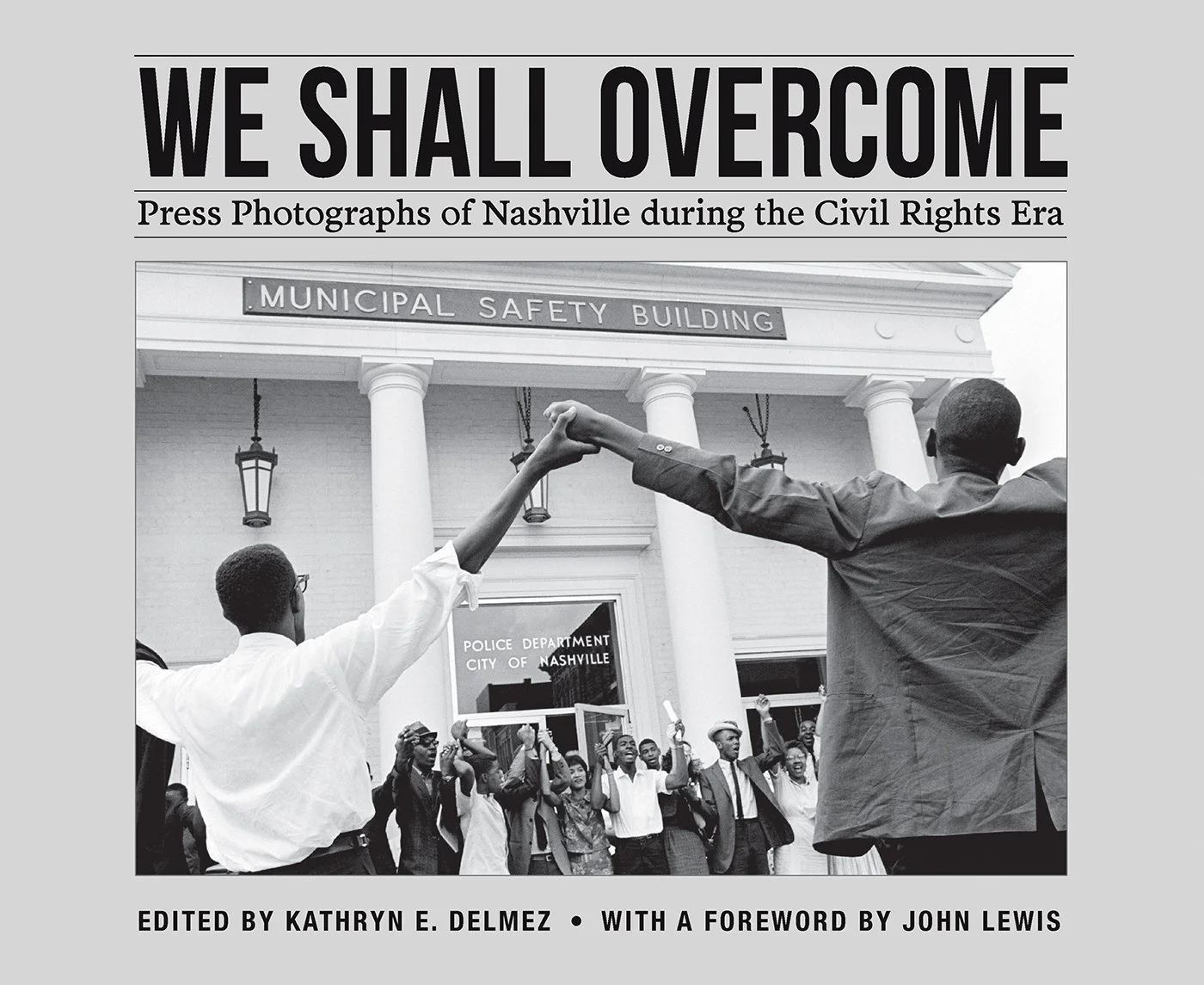
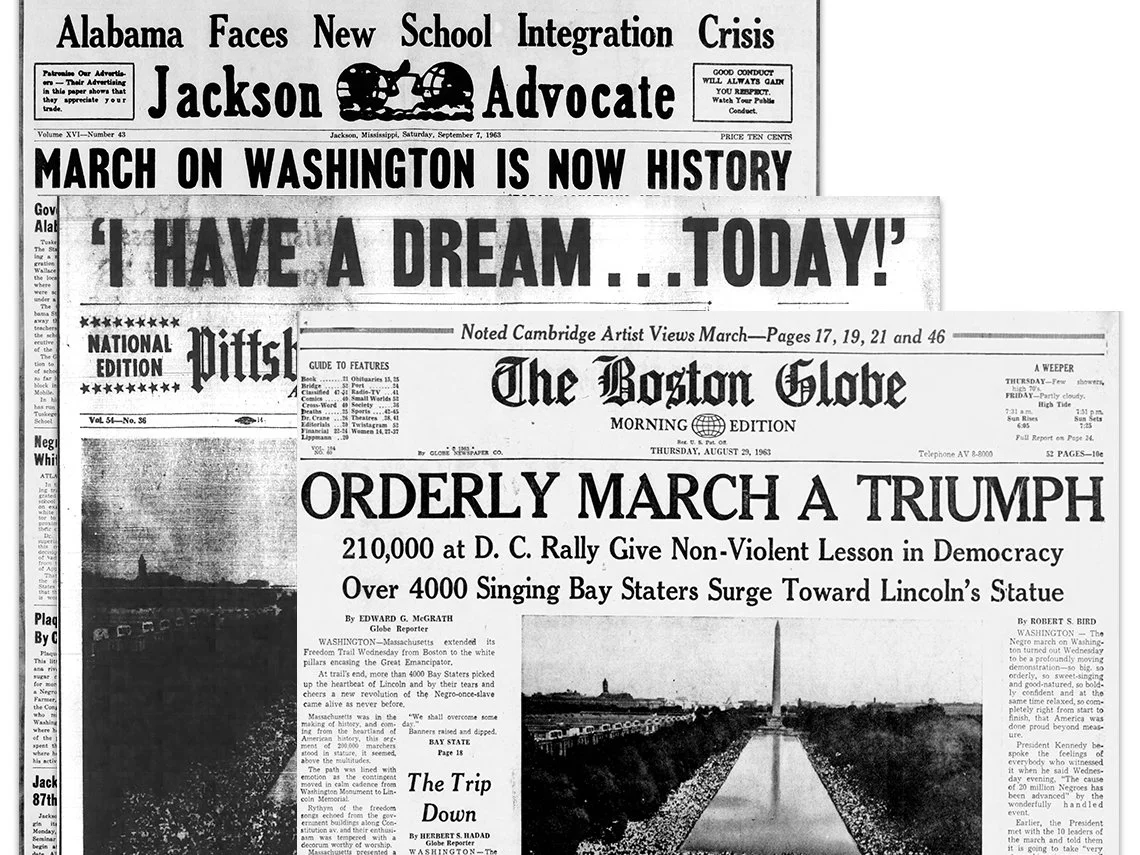
Bayard Rustin was a visionary strategist and activist who turned vision into action. Rustin, an advocate for civil rights who believed in organizing with discipline, nonviolence, and clarity of purpose. He played a pivotal role in shaping major movements, including the 1963 March on Washington, while tirelessly promoting social justice, equality, and coalition-building across communities.
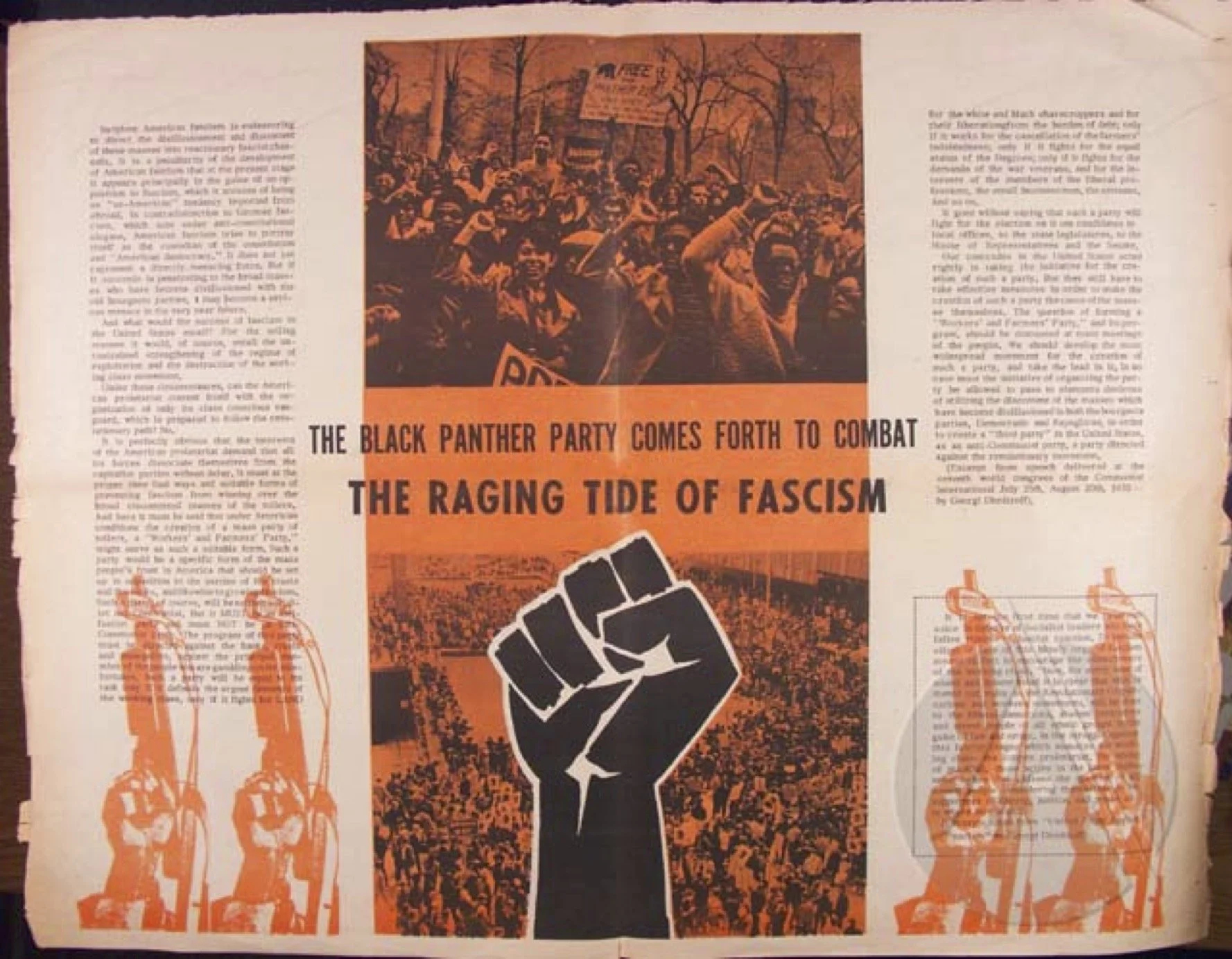
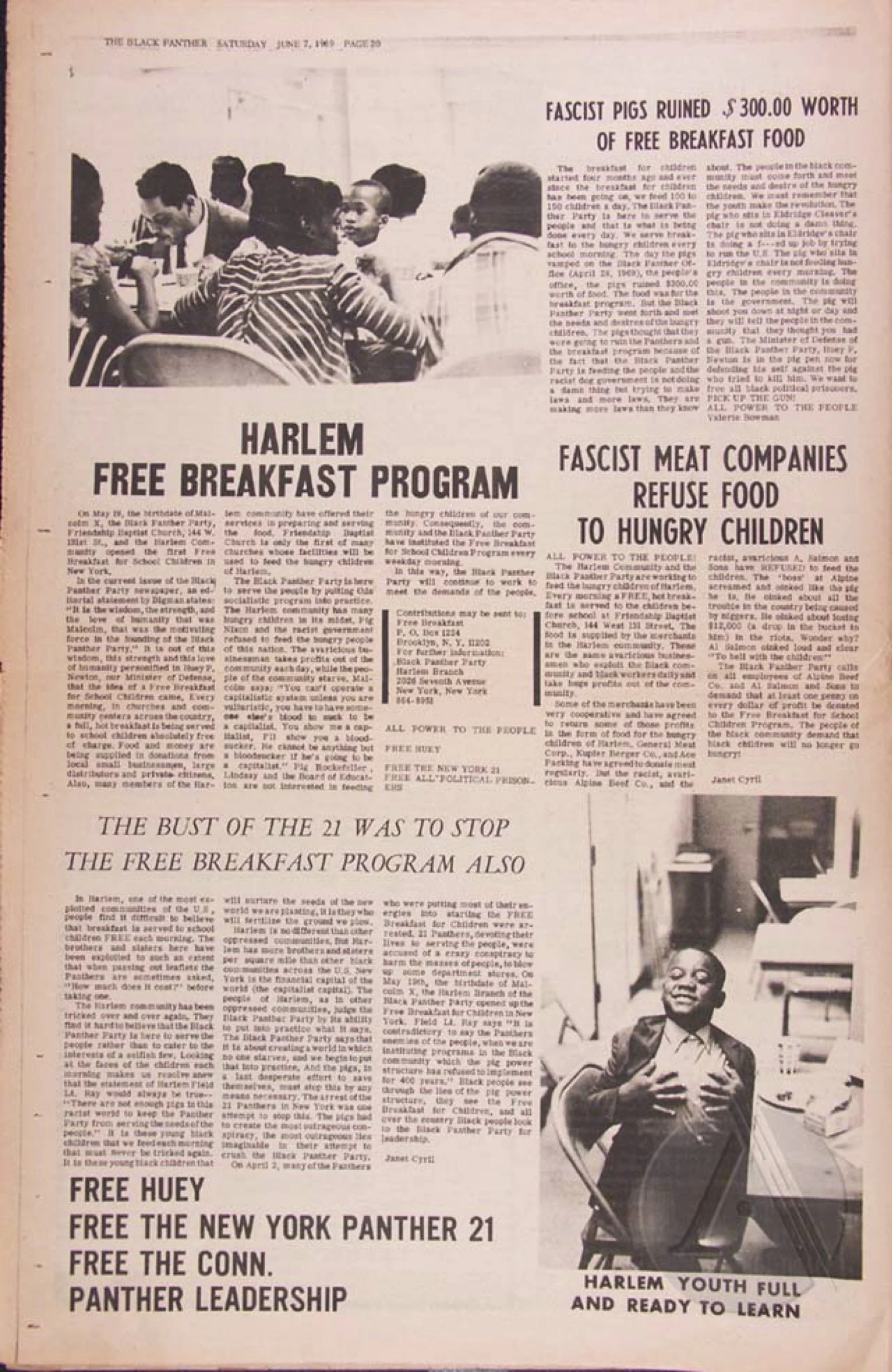
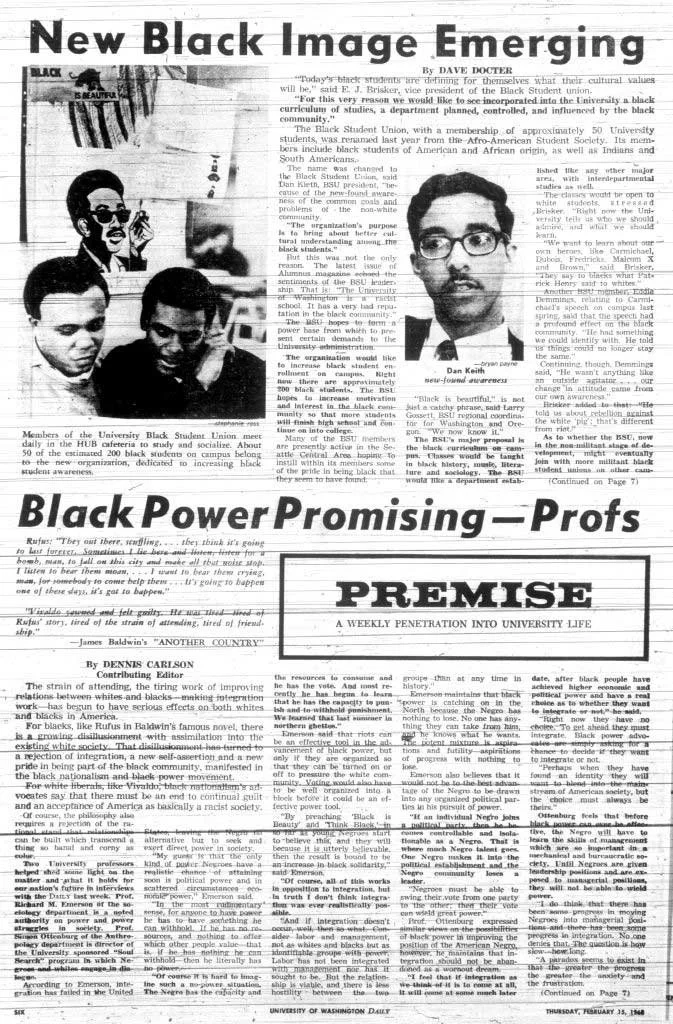
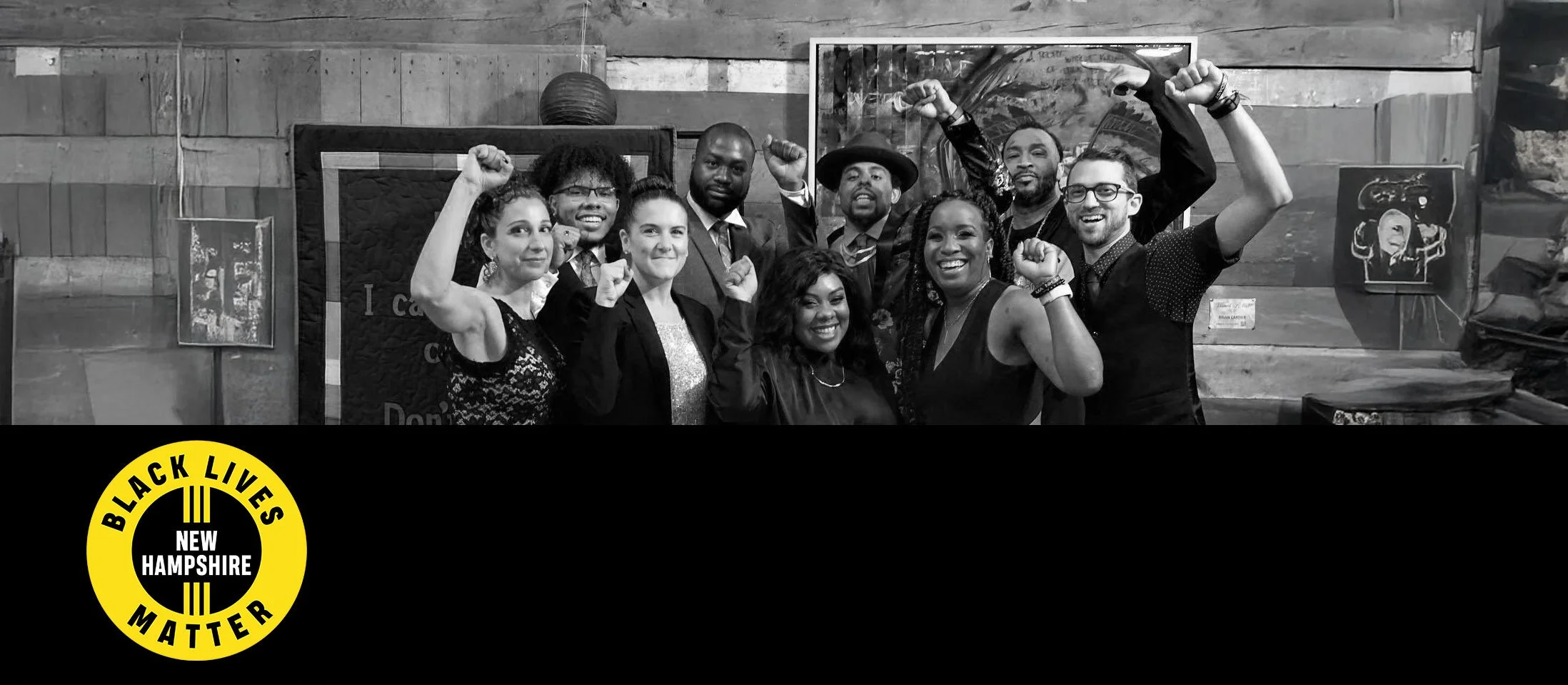
READ ALL ABOUT IT! PAPER MEDIA USED FOR THE MURAL.